Full-Arch Implants: What to Expect
Replacing a whole jaw of teeth with a fixed bridge on implants. The stages, the number of visits, what you wear in between, and the questions worth asking before you commit.
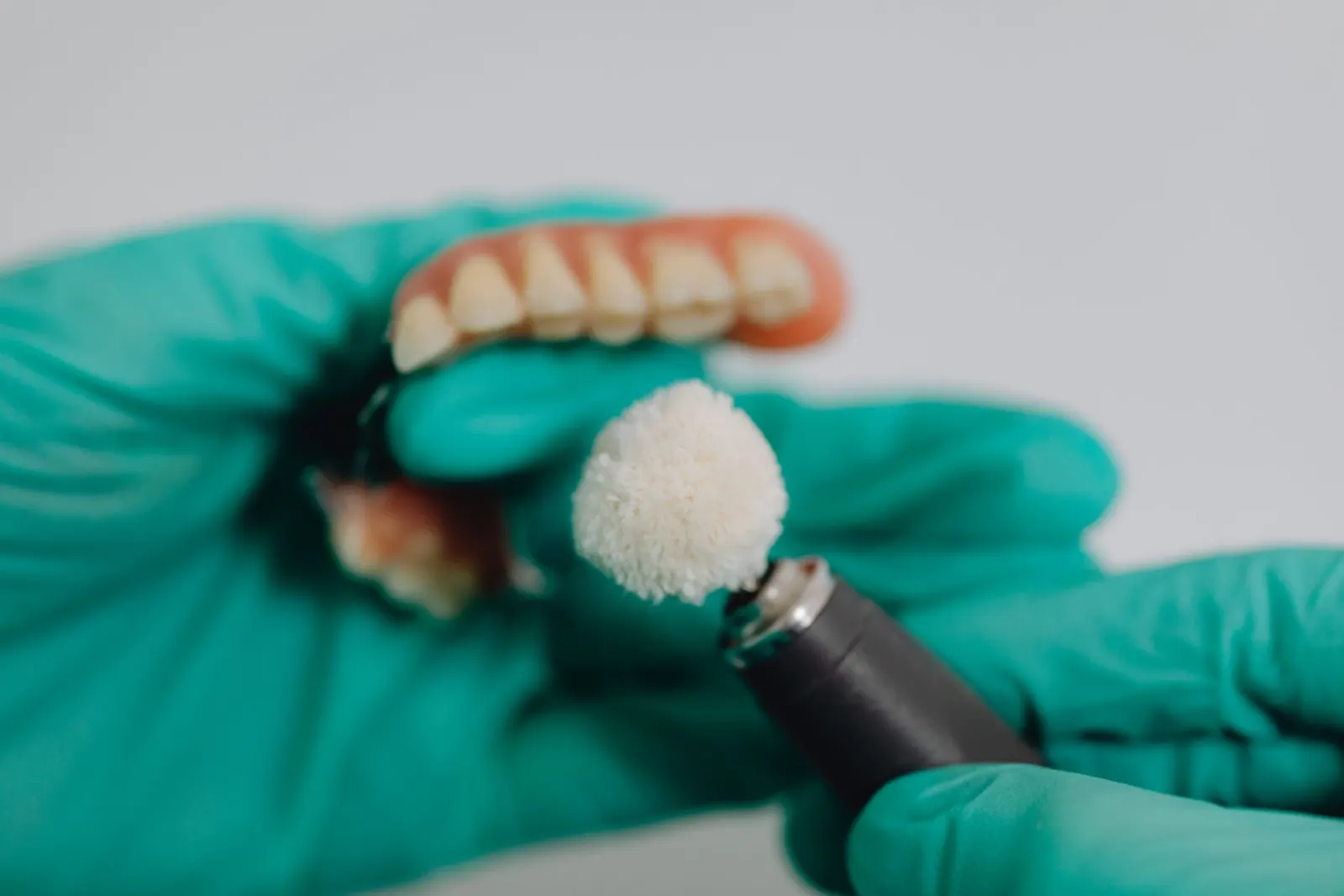
Before implants there was no fixed option for someone who had lost a full arch. The choice was a denture that rested on the gum, moved when it was used, and did nothing to stop the bone shrinking underneath it.
Today a whole jaw can be rebuilt on implants as a permanent, fixed restoration. Here is what the treatment actually involves.
Stage one: planning
An examination, a three-dimensional scan, and photographs. The finished teeth are designed before anything else, because the implants are then positioned to support them.
This is the stage that determines the result, and it is the stage patients tend to find least interesting. It is worth your attention. Ask to see the plan.
Stage two: surgery
Any remaining teeth that cannot be saved are removed, and the implants are placed. In suitable cases this is done through a surgical guide, sometimes without lifting the gum at all.
Where the implants achieve enough stability at placement, fixed provisional teeth are fitted the same day. You leave with teeth.
Stage three: healing and the provisional
Bone grows onto the implant surfaces over the following months. During this time you are wearing the provisional bridge, and that period does real work: it is where an uncomfortable contact, a change in speech or an appearance that is not quite right gets found and corrected.
Everything discovered in a provisional is cheap to fix. The same discovery in finished ceramics is not.
Stage four: the final bridge
The definitive bridge is made to the design that the provisional proved, and fitted.
What you get
- Teeth that stay in place, so you eat without planning around them
- Force transmitted into the jawbone, which helps preserve bone and facial shape
- A restoration designed for how your face looks and moves
- Something intended to be maintained rather than replaced
Questions worth asking before you commit
How many visits, and over what period? What am I wearing in between? Who is placing the implants and who is making the teeth? What happens if one implant does not integrate? How is this cleaned, and how is it repaired if something breaks in five years?
A practice that answers those readily is a practice that has thought about the whole treatment rather than the surgery.
Frequently asked questions
How many implants does a full arch need? +
It depends on the bone available and the design of the bridge, and it is decided during planning rather than quoted in advance. Where they go matters more than how many: implants are positioned to support the finished bite, not simply placed where bone is easiest.
How long does full-arch treatment take? +
It varies with the starting point, and 8 to 10 visits is a reasonable expectation for a fixed bridge from beginning to end. Many patients leave the surgical appointment with fixed provisional teeth rather than a removable denture.
Is a fixed bridge better than a denture? +
For most patients who can have one, yes. A fixed bridge is anchored to the jaw, so it does not move when you eat or speak, and it transmits force into the bone, which helps preserve it. A conventional denture rests on the gum and does neither.
Will it look natural? +
That is a design decision rather than an accident. Lip support, tooth proportion, midline and how much tooth shows when you smile are all planned deliberately, tested in provisionals, and agreed before anything permanent is made.
Have questions about your smile?
Our team in New York is happy to help. New patients are always welcome.